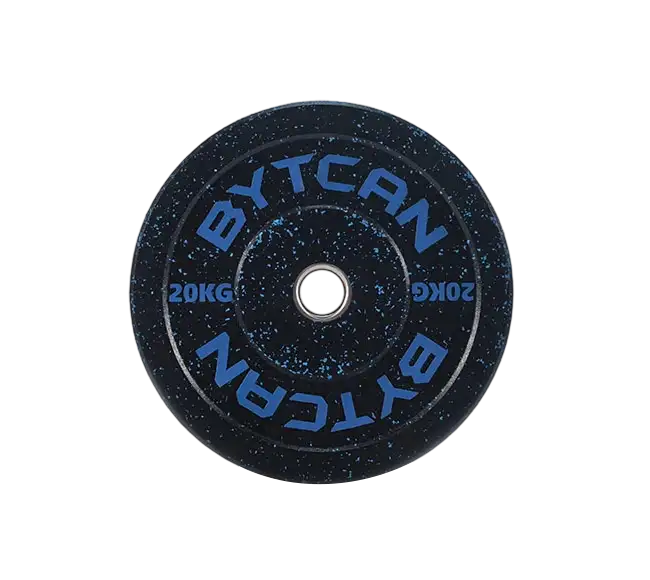
We supply high - quality bumper plates at factory - direct prices.
Blog
Specialized in producing and exporting rubber products.
Scroll Down
Maximize Performance: The Benefits of Using Rubber Friction Plates for Enhanced Workouts
Maximize Performance: The Benefits of Using Rubber Friction Plates Table of Contents Introduction to Rubber Friction Plates Understanding Rubber Friction Plates Key Benefits of Using Rubber Friction Plates Enhanced Safety Features Improved Performance Outcomes Durability and Low Maintenance Versatility in Training Qu
2026/01
Maximize Performance: The Benefits of Using Rubber Friction Plates
Table of Contents
- Introduction to Rubber Friction Plates
- Understanding Rubber Friction Plates
- Key Benefits of Using Rubber Friction Plates
- Enhanced Safety Features
- Improved Performance Outcomes
- Durability and Low Maintenance
- Versatility in Training
- Quiet Operation for Gym Use
- How to Use Rubber Friction Plates Effectively
- Choosing the Right Rubber Friction Plates
- Frequently Asked Questions
- Conclusion
Introduction to Rubber Friction Plates
In recent years, **rubber friction plates** have gained significant popularity in the fitness world. These unique training tools are designed to enhance workout efficiency while ensuring safety and comfort during various exercises. Unlike traditional weight plates, rubber friction plates are made from high-quality rubber materials that provide a superior grip on the barbell. This article delves into the numerous benefits of incorporating rubber friction plates into your workout routine, examining their design, functionality, and impact on performance.
Understanding Rubber Friction Plates
Rubber friction plates are specially designed weight plates that offer several advantages over conventional metal plates. The primary difference lies in the material used for construction. Rubber plates are made from high-density rubber, which not only makes them more resilient but also reduces noise during workouts and minimizes the risk of floor damage. This design feature is particularly beneficial for home gym setups and commercial fitness facilities.
These plates come in a variety of weights and sizes, making them suitable for all fitness levels. Their unique construction allows for a more secure grip, providing users with increased confidence during lifts.
Key Benefits of Using Rubber Friction Plates
Rubber friction plates offer a multitude of advantages that can elevate your workout experience. Let’s explore some of these key benefits in detail.
Enhanced Safety Features
One of the most compelling reasons to use rubber friction plates is their enhanced safety features. The rubber material significantly reduces the risk of injury, making it an ideal choice for both beginners and experienced lifters. The grip provided by rubber plates ensures that they stay securely in place during lifts, minimizing the chances of slippage. Additionally, the cushioning effect of rubber plates protects both the floor and the equipment, reducing the risk of damage.
Improved Performance Outcomes
Using rubber friction plates can lead to improved performance outcomes. The grip these plates provide allows for better control during lifts, enabling users to focus on their form and technique. This can lead to increased strength gains and overall performance improvements. Moreover, the ability to easily add or remove weight quickly during workouts allows for more efficient training sessions and progression.
Durability and Low Maintenance
Rubber friction plates are renowned for their durability. Unlike metal plates that can chip or rust, rubber plates maintain their appearance and functionality over time, even with regular use. They are also easy to clean, requiring minimal maintenance. This resilience makes them a cost-effective investment for any fitness enthusiast or gym owner.
Versatility in Training
Rubber friction plates are incredibly versatile and can be used for a variety of exercises. Whether you’re engaging in weightlifting, Olympic lifts, or functional training, these plates can accommodate all types of workouts. They are suitable for both traditional barbell exercises and innovative training methods, making them a valuable addition to any fitness regimen.
Quiet Operation for Gym Use
One of the often-overlooked benefits of rubber friction plates is their quiet operation. Unlike metal plates that can create loud clanking sounds when dropped, rubber plates absorb impact noise. This makes them ideal for home gyms and commercial fitness facilities, where noise reduction is a priority.
How to Use Rubber Friction Plates Effectively
Incorporating rubber friction plates into your workout routine can be simple and effective. Here are some tips for using them to maximize your performance:
1. **Warm Up**: Always start with a proper warm-up to prepare your muscles for lifting. This can include dynamic stretches and lighter lifts.
2. **Focus on Technique**: Pay attention to your form and technique, especially when using heavier weights. Good form is crucial to prevent injuries and maximize gains.
3. **Gradual Progression**: Start with lighter weights and gradually increase the load as you become more comfortable with the exercises. This allows your body to adapt safely.
4. **Incorporate Diverse Exercises**: Experiment with different exercises using rubber friction plates. From squats and deadlifts to overhead presses, the possibilities are endless.
5. **Stay Consistent**: Consistency is key to achieving your fitness goals. Incorporate rubber friction plates into your regular workout schedule for optimal results.
Choosing the Right Rubber Friction Plates
When selecting rubber friction plates, consider the following factors to ensure you find the right fit for your needs:
1. **Weight Options**: Choose plates that suit your lifting capacity and training goals. They are commonly available in various weights, usually ranging from 2.5 to 45 pounds.
2. **Quality of Material**: Look for high-density rubber plates that offer durability and resilience. Check for certifications that ensure the materials are free from harmful chemicals.
3. **Grip Design**: Some plates offer unique grip designs for easier handling. Ensure the plates you choose provide a secure grip to enhance your performance.
4. **Compatibility**: Ensure that the plates are compatible with the barbells you own. Most standard plates fit 2-inch diameter bars, but it's always good to confirm.
5. **Brand Reputation**: Research different brands and read reviews. Opt for brands known for their quality and customer service.
Frequently Asked Questions
1. What are rubber friction plates made of?
Rubber friction plates are primarily made of high-density rubber, which provides durability and grip while reducing noise during workouts.
2. How do rubber friction plates enhance safety?
Rubber plates reduce the risk of injury by preventing slippage during lifts and protecting the floor from damage. Their cushioning effect also minimizes impact during drops.
3. Can I use rubber friction plates for Olympic lifts?
Yes, rubber friction plates are versatile and suitable for Olympic lifts, traditional weightlifting, and various strength training exercises.
4. Are rubber friction plates easy to maintain?
Absolutely! Rubber friction plates require minimal maintenance. They can be easily cleaned with a damp cloth and do not rust or chip like metal plates.
5. Where can I purchase rubber friction plates?
Rubber friction plates can be purchased from various fitness equipment retailers, both online and in-store. Always check for quality and customer reviews before buying.
Conclusion
Incorporating rubber friction plates into your workout routine can significantly enhance your performance while ensuring safety and comfort. Their unique design provides exceptional grip, durability, and versatility, making them a valuable addition to any fitness regimen. Whether you are a beginner or a seasoned lifter, rubber friction plates can elevate your training experience. By understanding their benefits and utilizing them effectively, you can maximize your workout potential and achieve your fitness goals. Make the switch to rubber friction plates today and experience the difference they can make in your performance!
Latest Developments