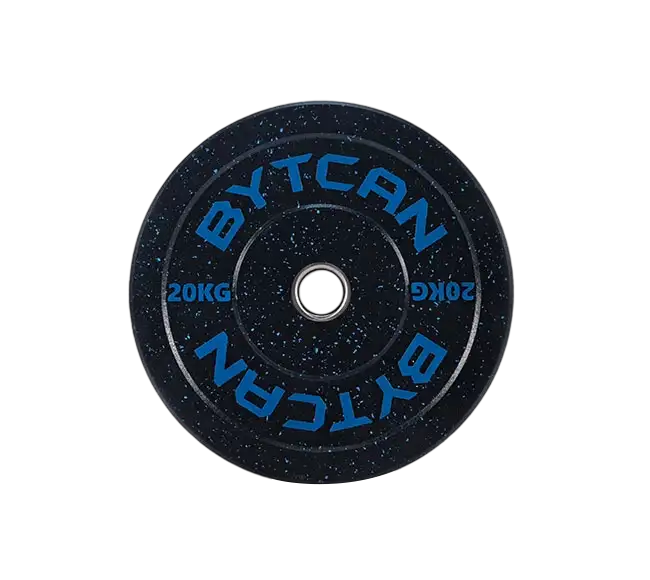
We supply high - quality bumper plates at factory - direct prices.
Blog
Specialized in producing and exporting rubber products.
Scroll Down
Choosing Between Solid and Color Striped Bumper Plates: What’s Best for You?
Choosing Between Solid and Color Striped Bumper Plates: What’s Best for You? Table of Contents Introduction Understanding Bumper Plates Solid Bumper Plates Explained Color Striped Bumper Plates Explained Key Differences Between Solid and Color Striped Bumper Plates Pros and Cons of Solid and Color Striped Bumper Plates Which is Best for You? Maintenance and Care
2026/03
Choosing Between Solid and Color Striped Bumper Plates: What’s Best for You?
Table of Contents
- Introduction
- Understanding Bumper Plates
- Solid Bumper Plates Explained
- Color Striped Bumper Plates Explained
- Key Differences Between Solid and Color Striped Bumper Plates
- Pros and Cons of Solid and Color Striped Bumper Plates
- Which is Best for You?
- Maintenance and Care
- Conclusion
- FAQs
Introduction
When it comes to outfitting a home gym or enhancing your performance in a commercial setting, choosing the right equipment is critical. Among the many options available, bumper plates are essential for weightlifting enthusiasts. Within the bumper plate category, the choice often comes down to **solid bumper plates** and **color striped bumper plates**. Each type has its unique characteristics and advantages. In this article, we explore the nuances between these two types of bumper plates, helping you to make an informed decision tailored to your individual needs and preferences.
Understanding Bumper Plates
Bumper plates are specially designed weights used primarily in Olympic weightlifting and CrossFit. They are typically made from rubber and are engineered to withstand heavy drops. The distinctive feature of bumper plates is that they are wider than traditional metal plates, which allows for a safer landing when dropped during lifts.
The primary purpose of bumper plates is to enable lifters to practice Olympic lifts—like the clean and jerk or snatch—without the risk of damaging the floor or the weights themselves. The use of bumper plates mitigates injury risk while promoting proper lifting techniques.
Solid Bumper Plates Explained
**Solid bumper plates** are characterized by their uniform, single-color design. They are typically made from high-density rubber, providing excellent durability and shock absorption. The absence of additional colors or designs lends them a sleek, professional appearance.
These plates come in various weight increments and are usually used in competitive settings or serious training environments. Solid bumper plates are favored for their straightforward aesthetics and reliable performance, making them a staple for serious lifters.
Color Striped Bumper Plates Explained
On the other hand, **color-striped bumper plates** feature vibrant colors that signify different weight increments. This feature not only adds a visual element to your workout space but also allows for quick identification of weights during training sessions. The color-coding system makes it easy for lifters to grab the right plates without having to check the weight on each one.
Color striped bumper plates typically come with a similar rubber construction as their solid counterparts, ensuring durability and performance. Their aesthetic appeal can enhance the overall vibe of a gym, making workouts feel more engaging and fun.
Key Differences Between Solid and Color Striped Bumper Plates
Understanding the key differences between solid and color striped bumper plates is essential for making an informed choice. Here are the primary differences:
1. Aesthetic Appeal
- **Solid Bumper Plates:** These plates offer a minimalist look, ideal for those who prefer a clean, uniform appearance.
- **Color Striped Bumper Plates:** The bright colors provide a more dynamic visual, which can enhance your workout environment.
2. Weight Identification
- **Solid Bumper Plates:** Lifters may need to check the markings on the plates to identify weight quickly.
- **Color Striped Bumper Plates:** The color-coded system allows for quick weight identification, reducing setup time between lifts.
3. Price Point
- **Solid Bumper Plates:** Typically, they are slightly less expensive due to their straightforward design.
- **Color Striped Bumper Plates:** The additional manufacturing process for color coding may result in a higher price.
4. Usage Context
- **Solid Bumper Plates:** More commonly used in competitive settings where uniformity is essential.
- **Color Striped Bumper Plates:** Ideal for home gyms, CrossFit boxes, and environments where visual appeal and quick weight identification are prioritized.
Pros and Cons of Solid and Color Striped Bumper Plates
Making the right choice often requires weighing the advantages and disadvantages. Below we outline the pros and cons of each type of bumper plate.
Pros of Solid Bumper Plates
- **Durability:** High-quality solid bumper plates tend to last longer and withstand heavy drops.
- **Professional Look:** The uniform design is visually appealing in competitive environments.
- **Better for Heavy Lifting:** Often preferred for serious lifters focusing on heavy weights.
Cons of Solid Bumper Plates
- **Weight Identification:** Can slow down workout momentum due to the need to check weights.
- **Limited Color Options:** May not be as visually engaging as color-striped plates.
Pros of Color Striped Bumper Plates
- **Quick Identification:** The color-coding allows for faster weight selection, ideal for high-tempo workouts.
- **Engaging Design:** Adds an element of fun and energy to the workout environment.
Cons of Color Striped Bumper Plates
- **Higher Cost:** Generally more expensive due to the color-coding process.
- **Potential for Wear on Colors:** Colors may fade over time with heavy use.
Which is Best for You?
Choosing between solid and color striped bumper plates ultimately depends on your unique preferences and workout style. Consider the following factors to guide your decision:
1. Training Environment
If you're setting up a professional gym or serious training facility, solid bumper plates may be the best option due to their durability and uniform appearance. However, if you're creating a home gym or a space that encourages fun and engagement, color striped plates can enhance the atmosphere.
2. Training Frequency
For athletes or individuals who lift weights regularly, investing in high-quality solid bumper plates may be advantageous. Conversely, if you’re an occasional lifter, color striped plates can provide the motivation and excitement needed to get active.
3. Personal Preference
Ultimately, it comes down to personal preference. Some individuals may prefer the sleek look of solid plates, while others enjoy the vibrancy and quick identification of color striped plates. Consider how each option aligns with your aesthetic preferences and workout goals.
Maintenance and Care
Regardless of whether you choose solid or color striped bumper plates, proper care and maintenance will ensure longevity and optimal performance.
1. Cleaning
Regularly clean your bumper plates using a mild soap solution and a soft cloth to prevent dust and grime buildup. Avoid abrasive cleaners that could damage the rubber surface.
2. Storage
Store your bumper plates in a dry area away from direct sunlight to prevent deterioration. Consider using a weight tree to keep them organized and off the floor.
3. Inspection
Regularly inspect your bumper plates for signs of wear and tear. Check for cracks or significant wear on the surface, and replace any damaged plates to maintain safety standards during training.
Conclusion
Choosing between solid and color striped bumper plates is a decision that hinges on various factors, including aesthetics, functionality, and personal preference. Both options provide excellent performance and durability, but they cater to different needs and environments. By understanding the essential differences, pros and cons, and considering your unique training goals, you can confidently select the bumper plates that will best enhance your fitness journey.
FAQs
1. Are bumper plates suitable for beginners?
Yes, bumper plates can be used by beginners as they promote proper lifting techniques and reduce the risk of injury.
2. Can I use bumper plates for non-Olympic lifts?
Absolutely! Bumper plates can be used for a variety of lifts, including deadlifts, squats, and bench presses.
3. Do bumper plates make noise when dropped?
Bumper plates are designed to reduce noise when dropped, unlike traditional metal plates.
4. How do I know which weight to start with?
Beginners should consult a trainer or use a weight that allows them to complete lifts with proper form.
5. Can I mix solid and color striped bumper plates?
Yes, mixing is possible; just ensure that the total weight is balanced and secure during your lifts.
This comprehensive guide aims to empower you with the knowledge necessary to choose the bumper plates that best suit your needs, helping you maximize your fitness potential.
Latest Developments