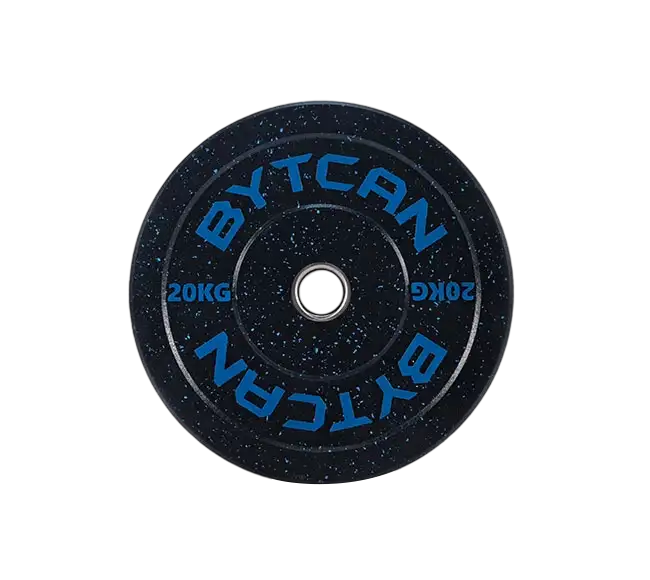
We supply high - quality bumper plates at factory - direct prices.
Specialized in producing and exporting rubber products.
Color Bumper Plates: A Beginner's Comprehensive Guide to Effective Weight Training
Color Bumper Plates: A Beginner's Comprehensive Guide to Effective Weight Training When embarking on a weight training journey, the equipment we choose significantly impacts our progress and experience. Among the essential gear, **color bumper plates** stand out as a favorite for both beginners and seasoned athletes. With their vibrant colors and practical design, these weights make lifting engagi
2026/05
Color Bumper Plates: A Beginner's Comprehensive Guide to Effective Weight Training
When embarking on a weight training journey, the equipment we choose significantly impacts our progress and experience. Among the essential gear, **color bumper plates** stand out as a favorite for both beginners and seasoned athletes. With their vibrant colors and practical design, these weights make lifting engaging and safe. This guide delves into everything you need to know about color bumper plates, from their benefits and types to tips on usage and selection.
Table of Contents
- 1. What Are Color Bumper Plates?
- 2. Benefits of Using Color Bumper Plates
- 3. Types of Color Bumper Plates
- 4. How to Use Color Bumper Plates in Weight Training
- 5. Choosing the Right Color Bumper Plates for Your Fitness Goals
- 6. Common Mistakes to Avoid When Training with Bumper Plates
- 7. Maintenance of Color Bumper Plates
- 8. Frequently Asked Questions (FAQs)
- 9. Conclusion
1. What Are Color Bumper Plates?
Color bumper plates are weighted discs designed for strength training and Olympic lifting. Unlike traditional metal plates, bumper plates are made from dense rubber, allowing them to absorb shock when dropped. This feature makes them ideal for athletes who perform lifts that involve dropping weights, such as snatches and cleans. The vibrant colors often signify different weight increments, making it easy to identify the load at a glance.
2. Benefits of Using Color Bumper Plates
Choosing color bumper plates for your weight training offers several advantages:
Enhanced Safety
The rubber construction of bumper plates minimizes the risk of injury. This is particularly essential for beginners who may not have perfected their lifting techniques yet. Dropping a bumper plate on the gym floor won’t create the same noise or damage as dropping a metal plate.
Versatile Training Options
Color bumper plates are perfect for various exercises, including squats, deadlifts, and Olympic lifts. Their versatility makes them a great addition to any gym setup, catering to both strength training and functional fitness enthusiasts.
Color-Coded Weight Identification
The standardized color-coding of bumper plates (such as black for 10 lbs, green for 15 lbs, yellow for 20 lbs, and blue for 25 lbs) facilitates quick identification. This feature is beneficial for both solo workouts and group training sessions, allowing for a more organized and efficient training environment.
3. Types of Color Bumper Plates
There are several types of color bumper plates available on the market, each varying in design and purpose:
Standard Bumper Plates
These plates are primarily used for general weightlifting. They come in various weights and are often made of high-quality rubber to withstand repeated drops without damage.
Competition Bumper Plates
Competition plates are calibrated for accuracy, making them ideal for competitive lifters. They typically have a consistent diameter, regardless of weight, ensuring uniformity during competitions.
Training Bumper Plates
Training bumper plates are designed for beginners and are usually lighter and less rigid. Their flexibility allows for easier handling, making them suitable for those just starting in weight training.
Colored Rubber Bumper Plates
These plates combine aesthetic appeal with functionality. They often feature unique designs or logos, appealing to gym-goers who want to personalize their workout space.
4. How to Use Color Bumper Plates in Weight Training
Using color bumper plates effectively is crucial for maximizing your weight training sessions. Here are some tips on how to incorporate them into your workouts:
Start with the Right Weight
Beginners should focus on mastering form and technique before increasing weight. Start with lighter bumper plates to build confidence and learn proper lifting mechanics.
Incorporate Compound Movements
Compound exercises, like squats and deadlifts, engage multiple muscle groups, making them ideal for beginners. Use color bumper plates to gradually increase resistance as your strength improves.
Utilize Progressive Overload
To build strength, gradually increase the weight of your lifts over time. Using color bumper plates allows you to make incremental changes to your load, ensuring consistent progress.
Focus on Form and Technique
Prioritize correct form during every lift. Poor technique can lead to injuries, particularly when lifting heavier weights. Consider working with a trainer or using mirrors to monitor your form.
5. Choosing the Right Color Bumper Plates for Your Fitness Goals
When selecting color bumper plates, consider the following factors to ensure you make the best choice for your training needs:
Weight Range
Evaluate your current strength level and set realistic goals. Purchasing a range of bumper plates allows for versatility, catering to different exercises and progressions.
Quality and Durability
Invest in high-quality bumper plates that can withstand wear and tear. Look for plates made from virgin rubber or high-density materials to ensure longevity.
Size and Compatibility
Ensure that the bumper plates you choose are compatible with your barbell. Most Olympic barbells have a sleeve diameter of 2 inches, so verify that your plates fit securely.
Brand Reputation
Research different brands and read reviews to find reputable products. Brands known for quality and performance often provide better warranties and customer support.
6. Common Mistakes to Avoid When Training with Bumper Plates
Even experienced lifters can make mistakes. Here are some common pitfalls to avoid:
Ignoring Warm-Up Routines
Neglecting a warm-up can lead to injuries. Always start your workout with dynamic stretches to prepare your muscles and joints for the upcoming lifts.
Overloading Too Quickly
Increasing weight too quickly can compromise form and lead to injuries. Stick to the principle of progressive overload by gradually increasing your weights.
Using Incorrect Technique
Improper lifting techniques can result in injury. Focus on form over weight, especially when using new bumper plates.
7. Maintenance of Color Bumper Plates
Maintaining your color bumper plates ensures their longevity. Here are some tips for proper care:
Regular Cleaning
Wipe down your bumper plates regularly to remove sweat and dirt. Use mild soap and water to prevent damage and maintain their appearance.
Proper Storage
Store bumper plates on a rack or in a designated area to prevent damage. Avoid stacking them haphazardly, as this can lead to warping over time.
Inspect for Damage
Regularly check your bumper plates for signs of wear or damage. Address any issues promptly to maintain safety during workouts.
8. Frequently Asked Questions (FAQs)
What weight should I start with for bumper plates?
Beginners are often advised to start with lighter plates, typically between 10 to 25 lbs, focusing on mastering form before increasing weight.
Can I use bumper plates on a standard barbell?
Bumper plates are designed to fit Olympic barbells, which have a 2-inch sleeve diameter. They may not fit standard barbells properly.
Are bumper plates safe for home gyms?
Yes, bumper plates are safe for home gyms. Their rubber construction minimizes the risk of injury and protects your flooring.
How do I know if my bumper plates are high quality?
High-quality bumper plates are typically made from virgin rubber, have a consistent diameter, and are tested for durability. Look for reputable brands and read customer reviews.
How do I clean my bumper plates?
Use a mild soap solution and a cloth to wipe down the plates. Avoid harsh chemicals that could damage the rubber material.
9. Conclusion
Color bumper plates are an excellent investment for anyone looking to enhance their weight training experience. Their benefits, versatility, and safety make them perfect for beginners and seasoned lifters alike. By understanding the types of bumper plates, how to use them effectively, and maintaining them properly, you can ensure a safe and productive workout environment. Whether you are training at home or in a gym, incorporating color bumper plates into your routine will undoubtedly elevate your fitness journey. So, gear up, lift smart, and enjoy the vibrant world of weight training!
Latest Developments